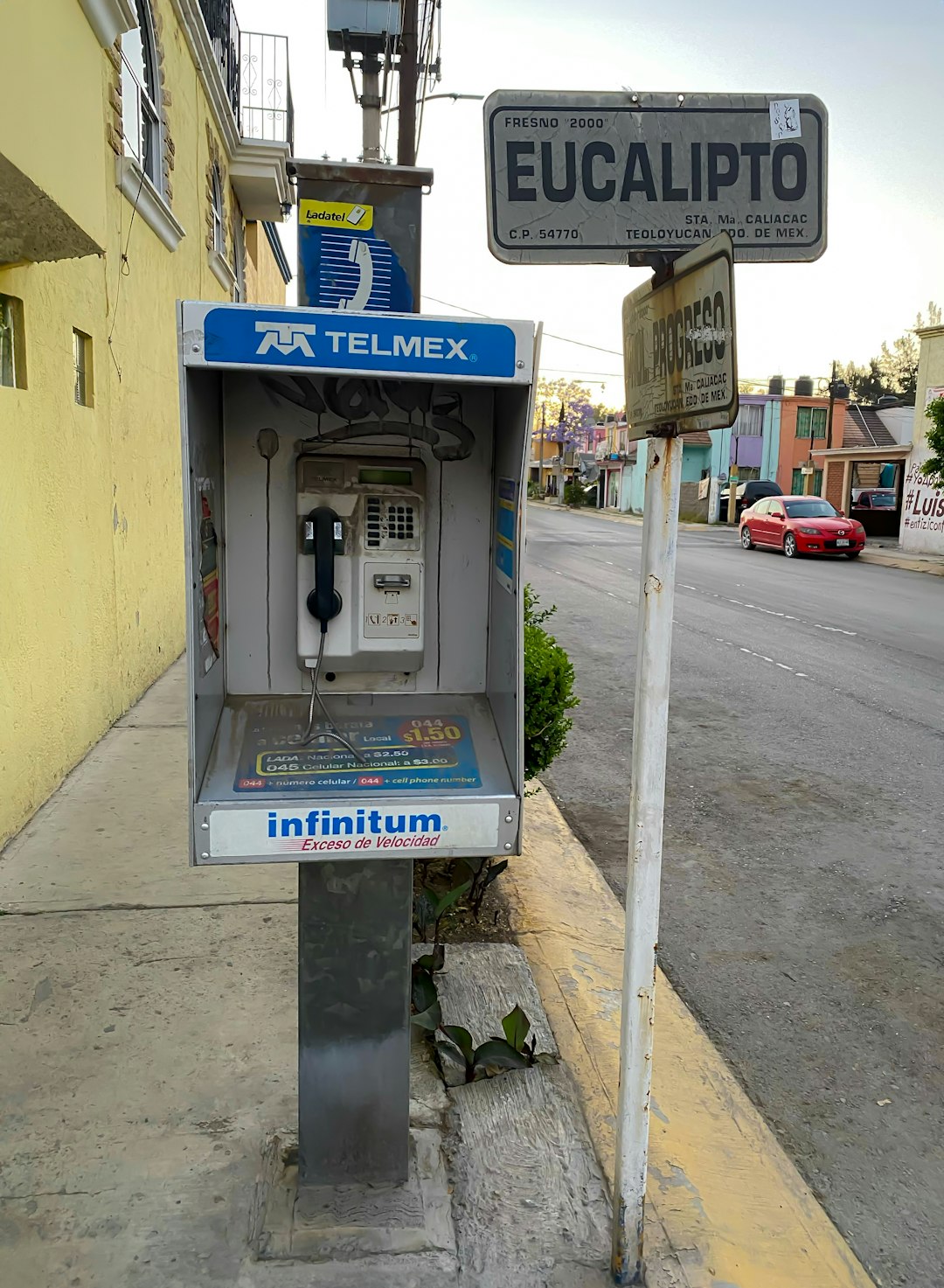
Robocalls are a growing problem in Pennsylvania, regulated by the Telephone Consumer Protection Act (TCPA). Consumers can fight back through FTC complaints or legal action against violators, aided by robocall lawyers. Businesses must obtain consent for automated calls and adhere to TCPA guidelines. Effective strategies include call blocking tech, employee education, responsible marketing, and legal counsel from a robocall lawyer Pennsylvania. Specialized apps detect and block unwanted callers, while user-reported data aids law enforcement. Consulting a robocall lawyer is crucial for navigating complex regulations and blocking persistent harassment, as demonstrated by recent settlements.
In the digital age, robocalls have become a pervasive nuisance for residents across Pennsylvania, posing challenges to privacy and consumer rights. These automated calls, often carrying marketing messages or fraudulent schemes, can be difficult to manage and stop effectively. For Pennsylvanians seeking relief, understanding their legal options is crucial. This article provides an in-depth guide on managing robocalls, with a special focus on the role a robocall lawyer Pennsylvania can play in mitigating this growing problem. By exploring various strategies and legal avenues, we empower individuals to reclaim control over their phone lines.
Understanding Robocalls: Legal Framework in Pennsylvania

Robocalls have become a pervasive issue across the United States, including Pennsylvania, where they can be particularly intrusive and harmful to individuals and businesses. Understanding the legal framework surrounding robocalls is crucial for effective management. In Pennsylvania, the Telephone Consumer Protection Act (TCPA) plays a pivotal role in regulating automated calls, including robocalls. This federal law restricts the use of automated dialing systems without prior express consent from the recipient. Any violation can lead to significant financial penalties, making it imperative for both consumers and businesses to familiarize themselves with their rights and responsibilities.
A key aspect of navigating robocalls in Pennsylvania is knowing when and how to take action. For instance, if a resident receives unsolicited calls promoting products or services, they have the right to file a complaint with the Federal Trade Commission (FTC) or take legal action against the offending party, potentially involving a robocall lawyer Pennsylvania. Moreover, businesses must ensure that their marketing campaigns comply with TCPA guidelines, utilizing opt-in mechanisms and respecting consumer choices to stop receiving calls. Data from the FTC reveals a steady increase in consumer complaints related to robocalls, underscoring the need for proactive measures and compliance.
Practical insights for effective management include implementing robust call screening and blocking technologies, educating employees on handling suspected robocalls, and fostering a culture of responsible marketing. Businesses should regularly review their communication strategies and seek legal counsel from a robocall lawyer Pennsylvania to stay informed about evolving regulations. By combining technological solutions with legal awareness, organizations can better protect themselves and their customers from the nuisance and potential illegal activities associated with robocalls.
Identifying & Stopping Robocallers: Tools for Residents
In Pennsylvania, residents face a persistent challenge from robocalls, which has led many to seek effective solutions. Identifying and stopping these automated calls is a multifaceted task, but various tools and strategies are available to empower individuals. One practical approach involves utilizing specialized apps designed to combat robocallers, offering a layered defense mechanism.
These apps employ advanced algorithms to detect and block unwanted calls, including those from known robocallers. By analyzing call patterns and data, they can identify suspicious activities and filter out automated messages. For instance, an app might use machine learning to recognize typical robocaller behaviors, such as repeated calls from unknown numbers or calls with short pauses between rings. When a resident’s phone detects such patterns, the app can automatically block the caller, preventing disruptive interactions. This technology ensures that Pennsylvania residents are less likely to fall victim to deceptive marketing tactics or fraudulent schemes often associated with robocalls.
Moreover, some apps provide additional features like call history reviews, allowing users to identify and report suspected robocallers. This collective effort can aid law enforcement and regulatory bodies in combating malicious calling practices. A robocall lawyer in Pennsylvania can also offer valuable insights into the legal aspects of these issues, assisting residents in understanding their rights and the avenues for addressing persistent robocaller harassment. By combining technological solutions with legal expertise, individuals can effectively navigate this modern-day communication challenge.
When to Hire a Robocall Lawyer PA: Navigating Legal Options

In Pennsylvania, as across the nation, robocalls have become a pervasive and often frustrating aspect of modern life. While many robocalls are for legitimate purposes, an increasing number fall into the category of unlawful or unwanted marketing calls. When these persistent calls overwhelm individuals or businesses, it’s crucial to understand when—and how—to involve legal counsel. Engaging a robocall lawyer in Pennsylvania offers a strategic approach to dealing with these intrusive communications, ensuring compliance with state and federal regulations while protecting individual rights.
Unwanted robocalls often violate the Telephone Consumer Protection Act (TCPA), a federal law designed to curb excessive or aggressive telemarketing practices. The TCPA prohibits calls made to telephone numbers on the National Do Not Call Registry unless the caller has prior consent from the recipient. In Pennsylvania, additional protections are in place, such as state-specific do-not-call lists and rules regarding automated call delivery. When businesses or individuals experience a pattern of robocalls despite legitimate efforts to opt out, consulting with a robocall lawyer Pennsylvania becomes essential. These legal experts can navigate the complex web of regulations, determine liability, and devise effective strategies for blocking future calls.
For instance, a successful lawsuit against a telemarketing company in 2022 led to a $15 million settlement, underscoring the importance of robust legal protections. This case not only highlighted the financial repercussions of violating consumer rights but also demonstrated the power of individual actions in holding offenders accountable. By engaging a robocall lawyer Pennsylvania, affected residents and businesses can access these protections, ensuring that their rights are respected while fostering a more responsible telemarketing environment. Through strategic interventions and legal advocacy, it’s possible to minimize the impact of robocalls, enhancing peace of mind and promoting fair business practices in the digital age.