
Robocalls are a growing problem in Pennsylvania, despite federal law restrictions. The Telephone Consumer Protection Act (TCPA) gives recipients rights to take legal action. Combining robocall-blocking apps with legal expertise offers better protection. Top apps like TrueCall and Hiya use machine learning; Call Guard by Google provides extra safeguards. Residents should evaluate app privacy features, especially under strict TCPA laws. Legal recourse with a lawyer for robocall laws in Pennsylvania is available against relentless calls. The Telemarketing and Consumer Fraud and Abuse Prevention Act (TCFAPA) grants substantial consumer rights, including damages for violations. Reporting robocalls to the PA Public Utility Commission helps enforce state laws. Blocking apps, thorough documentation, and legal counsel offer a comprehensive strategy to combat unwanted calls and protect privacy.
In today's digital era, robocalls have become a persistent and often unwanted nuisance for Pennsylvania residents. With the rise of automated phone marketing, many are left frustrated by relentless calls from telemarketers and scammers. Navigating this labyrinthine issue requires expertise, especially when seeking legal recourse. As such, understanding the best robocall blocking apps is crucial, not only to mitigate these intrusions but also to empower individuals to protect their privacy. This article provides a comprehensive guide, offering insights into the most effective tools for blocking robocalls in Pennsylvania, with a focus on ensuring compliance and peace of mind.
Understanding Robocalls in Pennsylvania: Laws & Rights
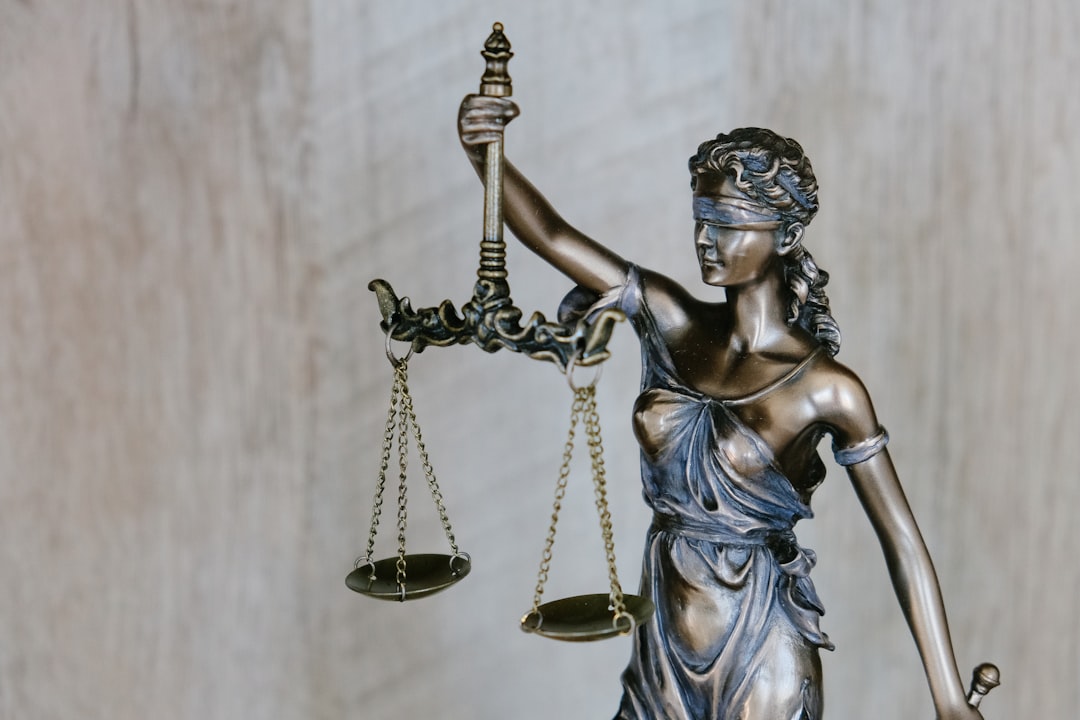
In Pennsylvania, as in many states, robocalls have become a persistent nuisance for residents. These automated phone calls, often used for telemarketing or political campaigns, are protected by federal law, but citizens still possess rights and recourse when these laws are violated. The Telephone Consumer Protection Act (TCPA) restricts how businesses and organizations can use automatic dialing systems and prerecorded messages, mandating explicit consent from recipients. Despite these regulations, many Pennsylvanians face unwanted robocalls daily, leading to a growing demand for effective call-blocking solutions.
Understanding one's rights under the TCPA is crucial when dealing with robocalls. A recent study by the Federal Communications Commission (FCC) revealed that more than 40 billion robocalls were placed in the United States in 2022, with Pennsylvania experiencing a significant share. This surge highlights the need for robust protection against illegal or unwanted calls. If a resident receives a robocall without prior consent, they have legal standing to take action. Engaging the services of a lawyer specializing in robocall laws in Pennsylvania can be immensely beneficial. These legal experts can help navigate complex regulations, file complaints with relevant authorities, and even pursue litigation if necessary.
While there are numerous robocall-blocking apps available, effectively addressing the issue requires understanding both the technology and one's rights. App developers often use a combination of databases and machine learning to identify and block calls. However, staying ahead of scammers and telemarketers necessitates more than just software solutions. Consulting with a legal professional who can guide residents through the intricacies of robocall laws ensures they are equipped to protect themselves legally. By combining technological tools with legal expertise, Pennsylvania residents can reclaim control over their phone lines and enjoy greater peace of mind.
Best Robocall Blocking Apps for Pa Residents

Pennsylvania residents, like many across the nation, face an increasing barrage of unwanted robocalls. These pre-recorded messages, often promoting products or services, can be intrusive and frustrating. Fortunately, robust robocall blocking apps offer a powerful solution to reclaim control over your phone line. When selecting the best app, consider features such as advanced filtering, custom block lists, and real-time call identification.
One top-rated option is TrueCall, an industry leader that utilizes machine learning algorithms to detect and block spam calls with remarkable accuracy. The app also provides a comprehensive log of blocked calls, allowing users to identify recurring culprits. Another excellent choice is Hiya, which leverages a community-driven database to continuously update its robocall detection capabilities. Users can manually report suspicious calls, contributing to the collective intelligence that powers the app's effectiveness.
Beyond blocking, some apps offer additional safeguards, such as Call Guard by Google. This integration with Google Phone seamlessly blocks calls from known spam sources and provides insights into call trends across regions. For those seeking legal recourse against relentless robocalls, consider consulting a lawyer for robocall laws in Pennsylvania. These experts can guide you through state regulations, such as the Telephone Consumer Protection Act (TCPA), which offers robust protections against unwanted telemarketing calls. By combining cutting-edge technology with legal expertise, Pennsylvania residents can effectively combat the flood of robocalls and enjoy a quieter, more peaceful communication experience.
Evaluating App Features: Privacy & Protection

When selecting a robocall blocking app for Pennsylvania residents, evaluating privacy and protection features is paramount. In a state with strict consumer protection laws, such as Pennsylvania's Telephone Consumer Protection Act (TCPA), ensuring your app of choice complies with data privacy regulations is crucial. Look for apps that offer robust encryption protocols to safeguard your personal information from unauthorized access.
Consider the level of control you have over blocked calls and texts. Top-tier apps allow users to customize block lists, set allowances for specific contacts, and even provide call/text tracking logs. For instance, some apps may automatically block numbers identified as spam or scam, while others require manual input. A lawyer for robocall laws in Pennsylvania recommends apps with transparent data usage policies, ensuring your metadata isn't sold or shared without consent.
Data privacy isn't the only concern; app stability and customer support are equally important. Check user reviews to gauge the app's reliability and frequent updates. Real-time blocking capabilities ensure immediate protection against unwanted calls. Moreover, a responsive developer team can swiftly address bugs and security vulnerabilities. For instance, apps that integrate with your phone's native settings or offer do-not-disturb modes enhance overall privacy and convenience. Ultimately, choosing an app with a proven track record in protecting Pennsylvania residents' privacy is essential to staying safe from robocalls.
Legal Recourse with a Lawyer for Robocall Harassment

Pennsylvania residents facing relentless robocall harassment now have a powerful tool at their disposal—a dedicated robocall blocking app. However, beyond technological solutions, seeking legal recourse with a lawyer for robocall laws in Pennsylvania is an essential step to combat this growing nuisance. The Telemarketing and Consumer Fraud and Abuse Prevention Act (TCFAPA) provides consumers with substantial rights against unwanted calls, including the ability to sue for damages.
For instance, if a resident consistently receives prerecorded messages from telemarketers despite being on the National Do Not Call Registry, they may have a case. A lawyer specializing in robocall laws can help navigate the complex legal landscape and ensure the rights of Pennsylvania consumers are protected. The TCFAPA allows for individual consumers to file private lawsuits against violators, seeking damages of up to $500 per violation, with treble damages if willful or knowing violations occur. This robust legal framework empowers residents to take action and hold telemarketers accountable for their actions.
Practical insights from such lawyers can help individuals understand their rights and obligations regarding robocalls. They can provide guidance on how to document evidence, including call records and any communication with the caller, which is crucial in building a strong case. Moreover, these legal experts can assist in negotiating settlements or representing clients in court, ensuring Pennsylvania residents receive the justice they deserve for robocall harassment.
Reporting Robocalls: Stopping the Unwanted Calls
Pennsylvania residents face a constant deluge of robocalls, with millions of unwanted calls inundating the state each year. Reporting these intrusions is crucial not only to protect individual privacy but also to hold call centers accountable under Pennsylvania's strict robocall laws. A lawyer for robocall lawsuits in Pennsylvania can provide expert guidance on navigating these legal complexities and help individuals recover damages from persistent violators.
When a robocall violates state regulations, residents have the right to take action by filing complaints with relevant authorities. The Pennsylvania Public Utility Commission (PUC) oversees telephone consumer protection laws, offering a dedicated reporting system for robocalls. By logging these calls and providing detailed information, consumers can contribute to a comprehensive database that aids in identifying pattern violations. This data is invaluable for legal proceedings, where patterns of excessive or unauthorized robocalling can lead to significant penalties for call centers.
Effective reporting requires residents to document each incident, including the caller's ID, call content, and time and date. These details are essential for lawyers specializing in robocall lawsuits to build strong cases against culpable parties. While some apps offer basic blocking features, a robust strategy involves combining these tools with thorough documentation and legal counsel. By taking proactive measures, Pennsylvania residents can not only protect themselves from unwanted calls but also contribute to a broader effort to enforce consumer privacy rights.