Understanding Best-App-to-Stop-Robocalls in Pennsylvania
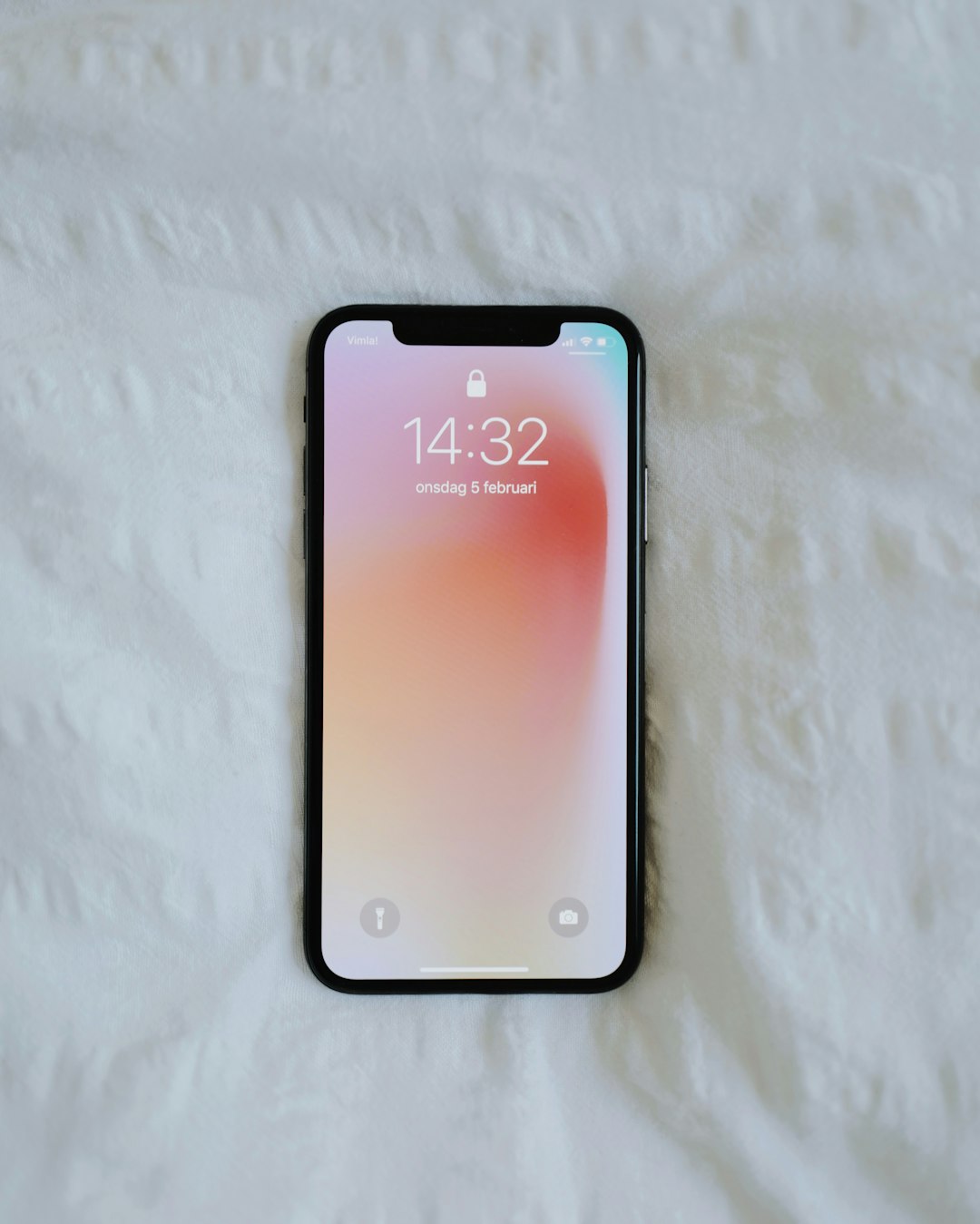
In the age of digital communication, robocalls have become a pervasive nuisance, with millions of Americans receiving unsolicited automated calls daily. These calls often range from scams and fraudulent schemes to political messaging and marketing pitches. In response, Pennsylvania, like many other states, has seen a surge in the use of specialized applications designed to mitigate the impact of robocalls. This article delves into the best app-to-stop-robocalls in Pennsylvania, exploring its core components, historical context, and significance within the broader landscape of telecommunication security.
Global Impact and Trends
The scourge of robocalls is not confined to Pennsylvania; it is a global issue that affects countless individuals across different continents. The rise of caller ID spoofing, international call centers, and sophisticated automated dialing systems has made combating robocalls a complex challenge. However, trends indicate a growing awareness and technological response to this problem. For instance, the integration of artificial intelligence (AI) and machine learning algorithms has significantly improved the ability of apps to identify, flag, and block robocalls with increasing accuracy.
Economic Considerations
The economic impact of robocalls extends beyond the annoyance factor; it includes substantial losses due to scams and fraud. The cost to consumers, businesses, and telecommunication companies is enormous. Anti-robocall apps represent a burgeoning industry, with significant investment flowing into startups and established companies alike. These investments not only fuel innovation but also create jobs and contribute to the economy. The role of such apps in economic systems is multifaceted, as they protect consumers and maintain trust in digital communication platforms.
Technological Advancements
The battle against robocalls has been bolstered by technological advancements. One notable development is the use of algorithms that can detect patterns indicative of spam or scam calls. These systems often rely on a crowdsourced database of known robocall numbers, which is continuously updated to stay ahead of scammers who frequently change their tactics. Additionally, advanced call-blocking features are being integrated into smartphones and landline services, leveraging technology like STIR/SHAKEN, which adds digital certificates to calls to verify their legitimacy.
Policy and Regulation
Regulatory frameworks play a critical role in shaping the landscape of anti-robocall applications. The Telephone Consumer Protection Act (TCPA) is a prime example of legislation designed to protect consumers from unwanted calls. Moreover, the Federal Communications Commission (FCC) has taken steps to encourage the development and deployment of call-blocking technologies. These policies provide a regulatory backdrop that both supports innovation and sets consumer protection standards.
Challenges and Criticisms
Despite the advancements, the best app-to-stop-robocalls in Pennsylvania faces significant challenges. One of the primary criticisms is the potential for false positives, where legitimate calls are mistakenly blocked. Another challenge is ensuring compliance with state and federal regulations, which can vary and evolve over time. To address these issues, developers must continuously refine their algorithms and adapt to new threats. Strategies include enhancing user feedback mechanisms, improving transparency regarding call-blocking decisions, and fostering collaboration among app providers, telecom companies, and regulatory bodies.
Case Studies
Several case studies demonstrate the effectiveness of anti-robocall applications. For example, nomorobo, one of the leading apps in the market, has been praised for its ability to block robocalls before they reach users. Another case study involves YouMail, which not only blocks calls but also provides users with the option to report suspicious activity, contributing to a collective defense against spam. These success stories underscore the importance of user engagement and community-driven efforts in combating robocalls.
Future Prospects
Looking ahead, the trajectory for anti-robocall apps is promising. Advancements in AI and network analytics are expected to enhance detection and blocking capabilities. Additionally, the integration of these applications with telecom infrastructure may lead to more seamless and proactive protection against robocalls. As the landscape evolves, strategic considerations will focus on user privacy, data security, and maintaining the balance between robust protection and user convenience.
Conclusion
The best app-to-stop-robocalls in Pennsylvania represents a significant advancement in the fight against unwanted automated calls. It stands at the intersection of technology, policy, and consumer protection, offering a multifaceted solution to a widespread problem. This article has outlined the historical context, global impact, economic considerations, technological advancements, policy and regulatory environment, challenges and criticisms, case studies, and future prospects of this app. As robocalls continue to evolve, so too must our defenses against them, ensuring that consumers in Pennsylvania and beyond can enjoy the benefits of digital communication with confidence and security.
FAQs
-
What is the best app-to-stop-robocalls in Pennsylvania?
- There are several effective apps available, including nomorobo and YouMail, which have been highly rated for their robocall blocking capabilities.
-
How do anti-robocall applications work?
- These applications use a combination of algorithms, crowdsourced data, and sometimes STIR/SHAKEN technology to identify, flag, and block unwanted automated calls.
-
Are anti-robocall apps effective against all types of robocalls?
- While they are highly effective against many types of robocalls, no solution is foolproof. Scammers constantly evolve their tactics, so these apps must continuously adapt and improve.
-
Do anti-robocall apps work on landlines as well as smartphones?
- Some anti-robocall apps are designed specifically for smartphones, while others, like nomorobo, can be used with both landline and smartphone services.
-
Are there any downsides to using an anti-robocall app?
- One potential downside is the possibility of legitimate calls being mistakenly blocked (false positives). However, most apps offer user-friendly features to manage and review blocked calls, minimizing this issue.
February 23, 2026
best app to stop robocalls Pennsylvania Expert
Pennsylvania consumers face a surge in robocalls, from promotional to fraudulent activities. State and federal laws, including the TCPA and UTPCL, protect residents. Solutions include registering on the National Do Not Call Registry, using call-blocking apps (like TruthFinder or NoCall), and consult.......
Read more →
February 21, 2026
best app to stop robocalls Pennsylvania Expert
Robocalls are a growing problem in Pennsylvania, despite federal law restrictions. The Telephone Consumer Protection Act (TCPA) gives recipients rights to take legal action. Combining robocall-blocking apps with legal expertise offers better protection. Top apps like TrueCall and Hiya use machine le.......
Read more →
February 19, 2026
best app to stop robocalls Pennsylvania Expert
In Pennsylvania, robocalls are regulated by the Telephone Consumer Protection Act (TCPA) to protect residents from unwanted communication. The Attorney General's Office enforces strict guidelines, particularly for marketing robocalls, which require prior express consent. Non-compliance leads to.......
Read more →
February 17, 2026
best app to stop robocalls Pennsylvania Expert
Robocalls are a prevalent issue in Pennsylvania, prompting stringent state regulations to protect consumers. The Do-Not-Call Registry offers legal protections with significant fines for violators, while the Telephone Consumer Protection Act (TCPA) regulates healthcare and debt collection industries.......
Read more →
February 15, 2026
best app to stop robocalls Pennsylvania Expert
Robocalls, automated phone calls, are a widespread issue in Pennsylvania, regulated by the Telephone Consumer Protection Act (TCPA). Pennsylvanians can protect themselves by opting out through the National Do Not Call Registry and using call-blocking apps like Hiya, TrueCall, and NoMo. A robocall At.......
Read more →
February 13, 2026
best app to stop robocalls Pennsylvania Expert
Robocalls are a growing concern in Pennsylvania, with laws protecting residents' privacy. Businesses must comply with federal TCPA and state regulations to avoid legal issues. Specialized apps identify and block unwanted calls, while lawyers for robocall laws Pennsylvania offer guidance on cons.......
Read more →
February 5, 2026
best app to stop robocalls Pennsylvania Expert
Robocalls are regulated in Pennsylvania under the Telephone Consumer Protection Act (TCPA) and "Do Not Call" laws. Businesses must obtain explicit consent before making automated calls, facing significant fines for non-compliance. To mitigate robocalls, residents can use call-blocking apps.......
Read more →
February 3, 2026
best app to stop robocalls Pennsylvania Expert
Robocalls are a significant issue in Pennsylvania, with nearly half of residents receiving unwanted automated calls. While some are legitimate, many are scams causing distraction, stress, and time loss. Robocall Lawyers Pennsylvania specialize in consumer protection laws like the TCPA to combat nuis.......
Read more →
February 1, 2026
best app to stop robocalls Pennsylvania Expert
Pennsylvania's robocall laws empower residents to combat intrusive marketing calls through official complaints and advanced call-blocking apps. Opting out of national do-not-call registries and using app features like blacklisting and machine learning adaption reduce robocalls by up to 95%. Sta.......
Read more →
January 30, 2026
best app to stop robocalls Pennsylvania Expert
Robocalls are a significant issue in Pennsylvania, prompting the state's Spam Call law firm to offer protection. The Spam Call Law prohibits automated calls without consent, with firms providing legal guidance and tools like Do Not Call registries, blocking apps (e.g., TruthFinder), and custom.......
Read more →