
Robocall laws in Pennsylvania, guided by the TCPA (1973), regulate automated marketing calls, requiring consent and allowing residents to register for "Do Not Call" lists. Fines enforce these rules, with FCC and Attorney General's Office monitoring compliance. Despite efforts, spam calls persist; users can protect themselves through advanced call-blocking apps like Hiya, TrueCall, NoMo, and Robokiller, leveraging machine learning and community data. These tools reclaim phone lines from unwanted robocalls, fostering a quieter communication environment.
In today’s digital age, robocalls have become a ubiquitous nuisance, with Pennsylvania residents often bearing the brunt of these unwanted automated calls. The sheer volume and sophistication of these spam robocalls make it increasingly challenging for users to discern legitimate communications from fraudulent ones. This article delves into the problem of robocalls in Pennsylvania and explores the best apps designed to block these intrusive calls, empowering users with tools to reclaim their peace of mind and personal privacy under the state’s robust robocall laws.
Understanding Robocalls and Spam Laws in Pennsylvania
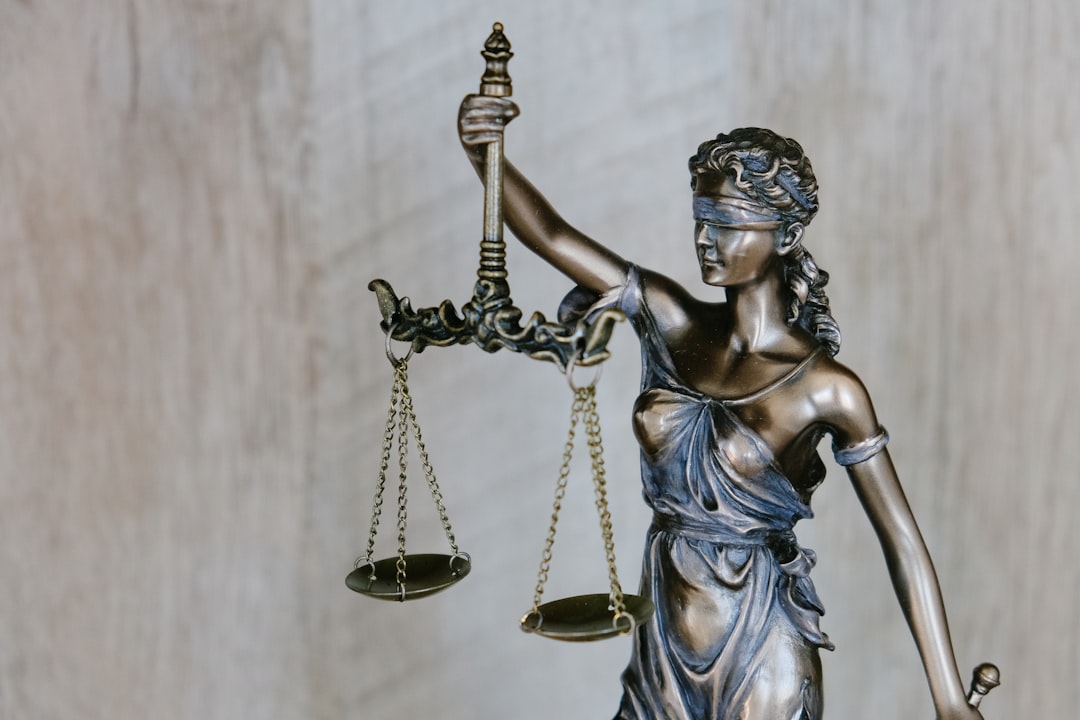
Robocalls and spam calls have become a significant nuisance for many Pennsylvanians, leading to efforts to understand and navigate the robocall laws in the state. Pennsylvania has implemented measures to protect residents from unwanted automated telephone marketing calls, reflecting a growing nationwide concern over privacy and consumer rights. The Telephone Consumer Protection Act (TCPA) of 1973, as amended, serves as the cornerstone of these regulations, granting consumers powerful tools to combat intrusive robocalls.
Under Pennsylvania law, businesses must obtain prior express written consent from residents before initiating automated calls for marketing purposes. This means that a simple verbal permission or even a pre-recorded message cannot qualify as consent. Consumers in Pennsylvania have the right to request and receive a “Do Not Call” listing, which significantly reduces the volume of unwanted calls. Furthermore, the state’s laws prohibit certain types of robocalls, such as those using automated dialers, without a valid exception or prior consent. Violations can result in substantial fines, emphasizing the seriousness with which Pennsylvania addresses robocall regulations.
To combat evolving spamming tactics, the Federal Communications Commission (FCC) and Pennsylvania’s Attorney General’s Office actively monitor and enforce these laws. Recent data indicates that while overall robocall volumes have decreased slightly, spam calls remain a persistent problem. As technology advances, so do the methods used to harass consumers. Therefore, staying informed about one’s rights and leveraging available tools is crucial in the ongoing battle against unwanted robocalls. Individuals are encouraged to report suspicious calls, register for Do Not Call lists, and explore apps designed to block spam, ensuring a more peaceful and private communication environment.
Identifying and Blocking Robocalls Effectively
In the age of digital communication, robocalls have emerged as a significant nuisance, with millions of Americans receiving unwanted calls daily. Pennsylvania, like many states, has implemented robust regulations to combat this issue, such as the Telephone Consumer Protection Act (TCPA), which includes strict rules on robocall practices. Effective identification and blocking of these automated calls are essential for maintaining privacy and peace of mind.
The first step in combating robocalls is understanding their nature and how they operate. Robocalls often use automated systems to dial thousands of numbers at once, making them difficult to trace. They may offer promotional services, solicitations, or even attempt to sell products or services. To combat these calls, users can employ advanced call-blocking technologies that utilize machine learning algorithms to recognize and filter out patterns associated with robocalls. These tools analyze call metadata, including number patterns, calling times, and frequency, to accurately identify and block unwanted callers.
Additionally, consumers in Pennsylvania have access to a range of user-friendly apps designed specifically for blocking spam robocalls. These applications often integrate with existing phone settings to create comprehensive call protection. For instance, popular options like Hiya and TrueCall utilize community-driven data, allowing users to report robocalls and improve the app’s accuracy over time. By combining advanced filtering techniques with community intelligence, these apps offer a dynamic defense against evolving robocall strategies. Users can rest assured that their personal communication channels are secure while engaging in meaningful conversations without interruptions from unwanted calls.
Top Apps for Securing Your Phone from Spammers

In today’s digital age, robocalls have become a ubiquitous nuisance, with spammers leveraging advanced technologies to target consumers across Pennsylvania and beyond. While state laws like those in Pennsylvania that regulate robocalls offer some protections, securing your phone from these intrusive calls remains a paramount concern for many residents. Fortunately, numerous apps have emerged as powerful tools to combat this growing issue.
Among the top contenders for blocking spam robocalls is Hiya, an app renowned for its robust caller ID and blocking capabilities. By leveraging machine learning algorithms, Hiya analyzes call patterns and identifies suspicious activities with impressive accuracy. The app not only blocks known spammer numbers but also flags potential new threats, providing users with real-time protection against unwanted calls. Another highly regarded option is TrueCall, which offers similar features while allowing for manual overrides if needed. This flexibility ensures users maintain control over their call blocking experience.
Additionally, apps like NoMo and Robokiller stand out for their comprehensive approach to robocall prevention. NoMo integrates seamlessly with major carriers, enabling users to block calls at the network level, while Robokiller employs a multi-layered defense system that includes caller ID, filtering, and machine learning. These apps not only protect against known spammer numbers but also proactively identify and block emerging threats. By combining advanced technologies and user feedback, these top applications help Pennsylvanians reclaim their phone lines from relentless robocalls, ensuring a quieter and more secure communication environment.