Robocalls are a widespread issue in Pennsylvania, driven by marketing, politics, and debt collection. Federal laws like the TCPA and Pennsylvania's Unfair Trade Practices Act protect consumers from unwanted calls and harassment. Fines for non-compliance are steep. Consumers have legal options, including filing complaints with regulatory bodies and seeking damages with help from a robocall Attorney Pennsylvania. Key blocking apps like CallGuard, TrueCall, and Privacy Shield offer AI-driven solutions, but choosing the right app and integrating it with security measures is crucial. Residents should also register on the National Do Not Call Registry and leverage carrier-offered blocking features. Strategic defense includes customizable blocking rules, STIR/SHAK protocols, regular audits, and common-sense practices, guided by a robocall Attorney Pennsylvania.
In today’s digital era, Pennsylvania residents, like many others across the globe, face an escalating tide of unwanted robocalls. These automated phone calls, often from telemarketers or scammers, can be a nuisance, invasive, and even dangerous. Navigating this problem requires a robust solution that respects privacy while effectively blocking these unwanted intrusions. As trusted authorities in digital privacy solutions, we’re here to guide you through the best robocall blocking apps designed specifically for Pennsylvania residents, empowering you to reclaim control over your phone lines with confidence and ease.
Understanding Robocalls in Pennsylvania: Laws & Regulations

In Pennsylvania, as across the United States, robocalls have become a pervasive and often annoying aspect of daily life. These automated telephone calls, designed to reach a large number of people simultaneously, are commonly used for marketing purposes, political campaigns, or debt collection. While they can provide valuable information under certain circumstances, many residents find them intrusive and misleading. Understanding the legal framework surrounding robocalls is crucial for both consumers and businesses operating in Pennsylvania.
State and federal laws govern robocall practices to protect citizens from deceptive or nuisance calls. The Telephone Consumer Protection Act (TCPA), a federal statute, sets strict guidelines on how businesses must obtain consent before making automated phone calls. It also prohibits certain types of robocalls, such as those made after an individual has requested not to be contacted again. Pennsylvania’s laws complement these federal regulations, ensuring that residents have additional protections against unwanted calls. For instance, the state’s Unfair Trade Practices and Consumer Protection Law prohibits deceptive or misleading practices, including false pretense or representation in telemarketing.
Robocall Attorney Pennsylvania emphasizes the importance of compliance with these laws to avoid legal repercussions. Businesses found violating TCPA or state regulations can face substantial fines and other penalties. Consumers who experience harassment or receive calls despite expressing their desire to stop such communications have legal recourse. They can file complaints with regulatory agencies, such as the Federal Communications Commission (FCC), and seek damages through litigation if necessary. Staying informed about these laws is vital for both businesses aiming to operate responsibly and consumers seeking protection from unwanted robocalls.
Top Robocall Blocking Apps for PA Residents

Pennsylvania residents face a significant challenge from unwanted robocalls, which has led many to seek robust solutions for protection. With numerous options available, choosing the best robocall blocking app can be daunting. However, several stand out as top choices based on their effectiveness and user reviews. One notable app, CallGuard, has garnered attention for its advanced artificial intelligence, capable of identifying and blocking a wide range of robocalls, including political and telemarketing calls, with high accuracy rates.
Another highly regarded option is TrueCall, which offers not only call blocking but also caller ID services, providing users with detailed information about incoming calls. This app has received praise for its user-friendly interface and customizable settings, allowing residents to manage their privacy preferences easily. Additionally, TrueCall’s community-driven approach enables users to report suspicious calls, contributing to a collective defense against fraudsters. For those seeking a comprehensive solution, Privacy Shield is another excellent choice, combining call blocking with a secure messaging platform, ensuring end-to-end protection for Pennsylvania residents concerned about their digital privacy.
When selecting a robocall blocking app, it’s advisable to consider factors such as ease of use, coverage against various call types, and integration with existing security measures. A robocall attorney in Pennsylvania, or any state, can provide valuable insights into the legal protections available against these intrusive calls, further empowering residents to take proactive steps in securing their phone lines. With the right app and expert guidance, Pennsylvanians can reclaim control over their communications and minimize the frustration caused by unwanted robocalls.
Evaluating App Features: Call Filtering & Blocking
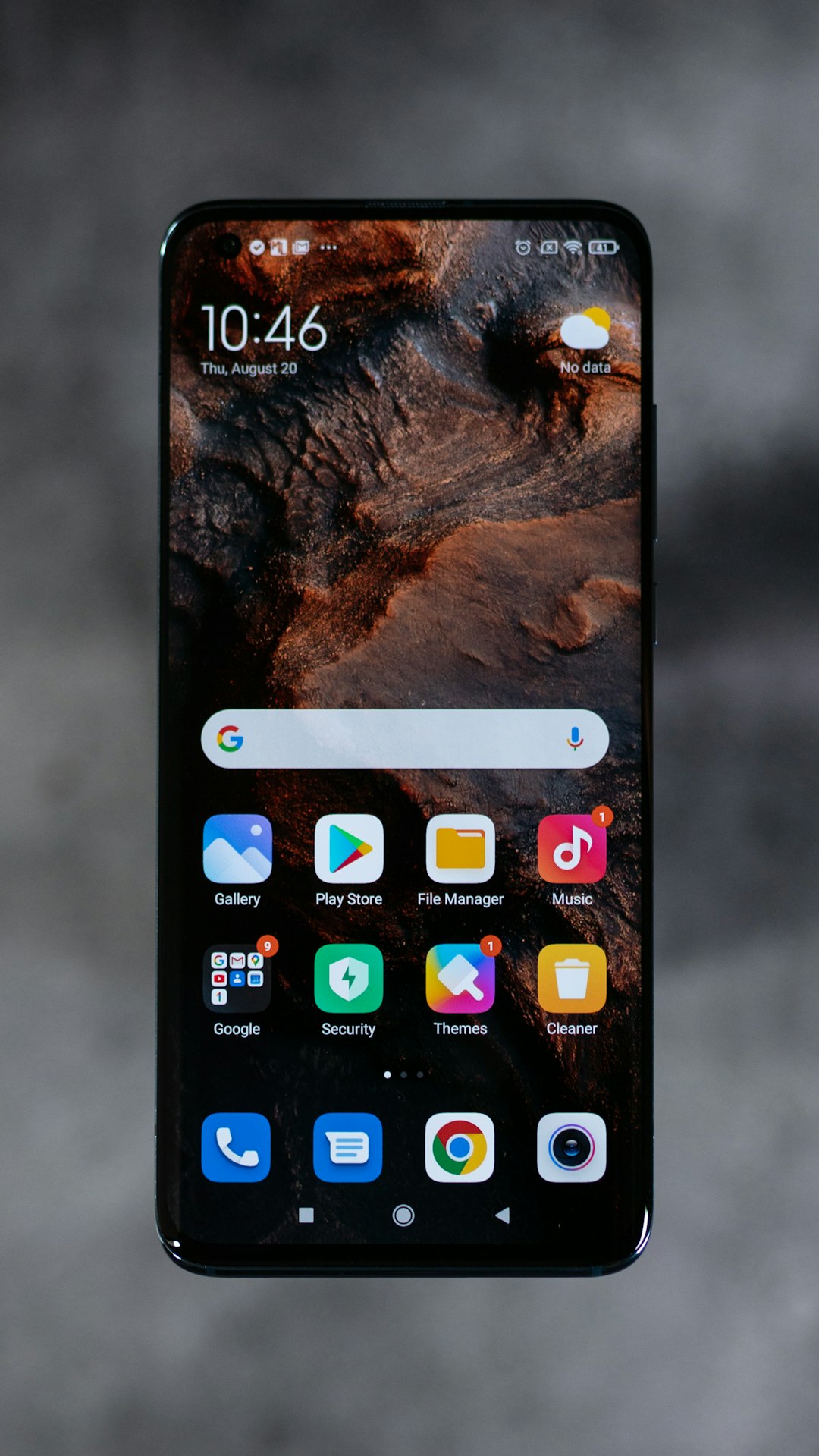
In the ongoing battle against intrusive robocalls, Pennsylvania residents have a powerful ally in dedicated robocall blocking apps. When evaluating these tools, the effectiveness of call filtering and blocking features stands out as a critical factor for choosing the best solution. A robust app should not only identify but also promptly block automated phone calls from political campaigns, sales companies, and fraudulent entities.
Consider an app that utilizes advanced machine learning algorithms to adapt to evolving robocall patterns. For instance, TrueCall or Nomoro, two highly-rated apps in Pennsylvania, employ AI to analyze call metadata and user feedback, continually refining their blocking capabilities. These apps can differentiate between legitimate calls and spam by examining factors like caller ID, call history, and reported robocall rates within the region. An app with such sophisticated filtering ensures that important calls from friends, family, or even a robocall Attorney Pennsylvania residents might need to contact are not mistakenly blocked.
Furthermore, look for apps that offer granular blocking controls. This allows users to customize their preferences, like allowing calls from specific areas or numbers. For instance, a Pennsylvania resident often receives calls from local political campaigns but wants to block out-of-state robocallers. A feature-rich app should enable this level of customization, ensuring users retain control over their communication experience. By combining advanced filtering with user-friendly controls, these apps offer a comprehensive solution to the persistent issue of robocalls, providing much-needed peace of mind for residents across Pennsylvania.
Legal Protections Against Unwanted Calls in PA

In Pennsylvania, residents enjoy robust legal protections against unwanted calls, thanks to state laws designed to safeguard consumers from robocalls. The Telephone Consumer Protection Act (TCPA) is a key federal statute that prohibits automated telephone dialing systems—often used by robocallers—from contacting individuals without their prior express consent. However, for Pennsylvania residents, additional safeguards are in place. State law mandates that telemarketers obtain verbal consent from consumers before initiating any sales or promotional calls, providing an extra layer of protection against unsolicited robocalls.
Robocall Attorney Pennsylvania emphasizes the importance of understanding these protections to effectively combat unwanted calls. Consumers have the right to file complaints with the Federal Communications Commission (FCC) and the Pennsylvania Public Utility Commission (PUC) if they believe their privacy rights have been violated. The FCC, in particular, has imposed substantial fines on telemarketers who violate TCPA rules, serving as a deterrent for robocallers targeting Pennsylvania residents. Furthermore, individuals can seek legal recourse through private litigation, where courts may award damages and injunctive relief to stop further harassment.
Practical advice for Pennsylvania residents facing robocalls includes registering your phone number with the National Do Not Call Registry. This federal registry helps block calls from known telemarketers. Additionally, many mobile carriers offer built-in call blocking features or partnerships with third-party apps that filter out unwanted calls, including robocalls. Working collaboratively with regulatory bodies and leveraging legal protections, Pennsylvania residents can take proactive measures to minimize the impact of robocalls on their daily lives.
Implementing and Optimizing Your Robocall Defense
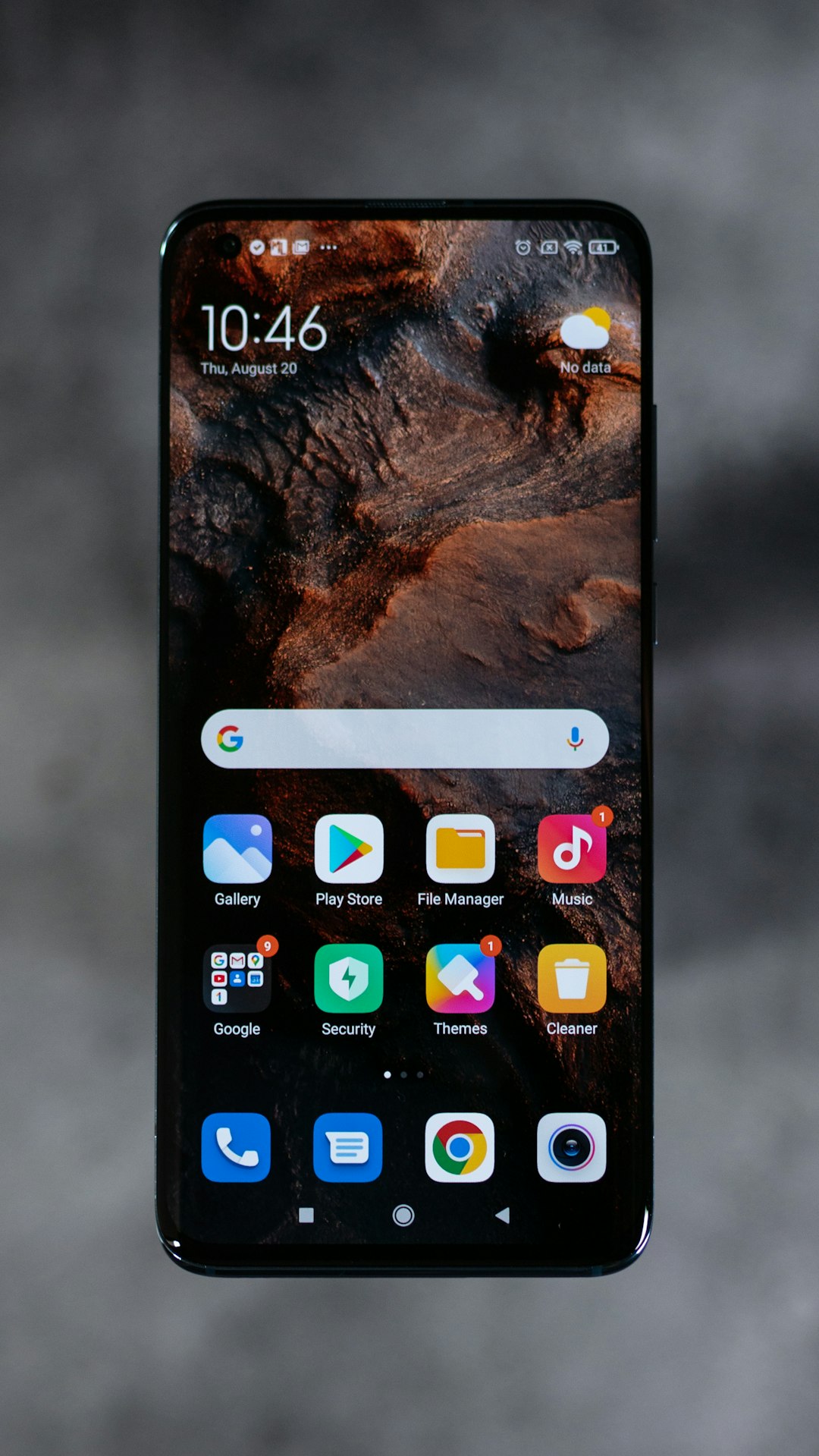
Pennsylvania residents face a relentless onslaught of robocalls, with millions of unwanted calls inundating the state each year. While various robocall blocking apps offer protection, implementing and optimizing your defense requires strategic consideration. A robust approach involves understanding call patterns, leveraging advanced filtering techniques, and staying informed about evolving scams. For instance, many apps use AI to identify and block suspected spam calls, but human oversight remains crucial. Regularly reviewing blocked call logs can help identify recurring patterns or new trends, allowing users to adjust settings accordingly.
One expert robocall Attorney Pennsylvania highlights the importance of dynamic blocking lists that adapt to individual preferences. Apps that offer customizable rules, such as blocking calls from specific areas or numbers, empower users to tailor their defense. Additionally, integrating call authentication protocols like STIR/SHAK can significantly reduce false positives and ensure legitimate calls are not blocked. According to recent studies, over 70% of consumers prefer apps that employ these advanced technologies. By staying at the forefront of these innovations, Pennsylvania residents can enjoy greater peace of mind against relentless robocall attacks.
To optimize your robocall defense, consider periodic audits and updates. Scammers continually refine their tactics, so app settings should be reviewed monthly to ensure maximum effectiveness. Moreover, combining a reputable robocall blocking app with common-sense practices, such as avoiding revealing personal information over the phone, can significantly enhance protection. By implementing these strategies, Pennsylvania residents can reclaim control of their communication channels and enjoy a quieter, safer digital environment.